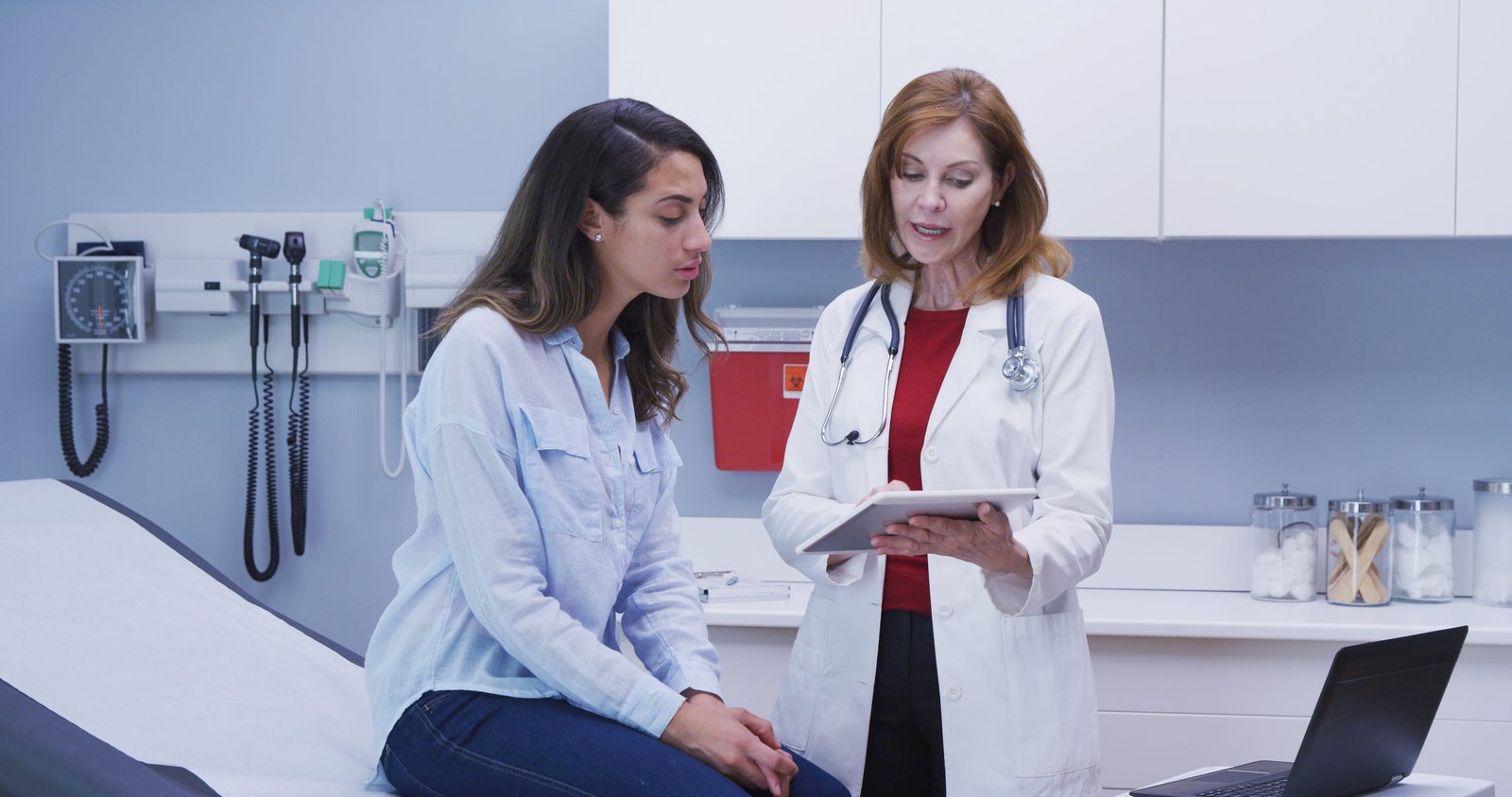
Teledentistry sits in a strange place in public perception. Older adults often assume it's too limited to be useful ("you can't really examine teeth through a phone"). Younger adults who've used Hims or Ro often assume it's a full replacement for in-person care ("my dentist is going to be a chatbot now"). Neither view is right. The reality is a specific, well-defined middle ground.
This article walks through what teledentistry can actually do, what it can't, and why the boundary matters for making smart decisions as a patient.
What teledentistry can do (and do well)
Triage urgent dental issues
A licensed dentist reviewing your symptoms and photos can reliably identify whether you need:
- Emergency care (ER).
- Urgent in-person care (within 24-48 hours).
- Soon in-person care (within a week or two).
- Routine in-person care (next scheduled visit).
- Self-care with monitoring (no immediate intervention needed).
This triage function alone has enormous value. It prevents unnecessary ER visits, catches issues that actually need urgent care, and saves patients time and money by avoiding in-person visits that wouldn't have changed management.
Identify common dental problems from photos
Good intraoral photos combined with good history-taking can identify a surprising percentage of common dental issues:
- Visible decay (on accessible surfaces).
- Broken or cracked fillings.
- Chipped teeth.
- Gum inflammation, recession, or bleeding.
- Abscess or swelling.
- Orthodontic issues (spacing, crowding, bite alignment — visible).
- Ulcers, canker sores, and soft tissue lesions.
- Post-extraction healing issues.
What it cannot identify from photos alone: decay between teeth or below the gumline (requires x-rays), periodontal pocket depths (requires probing), or internal pathology (requires x-rays).
Review treatment plans (second opinions)
For patients who've already had an in-person exam and received a written treatment plan with x-rays, a virtual second opinion from an independent licensed dentist is excellent. The remote dentist has all the same diagnostic information the original dentist had — the same x-rays, the patient's symptom history, and the written plan. They can review independently without needing to re-examine.
Post-procedure follow-up
"Is my extraction site healing normally?" "Does this post-filling sensitivity sound concerning?" These questions are well-suited to virtual follow-up. The dentist can see the area, review what was done, and give clear guidance.
Prescribing for common issues (where legally permitted)
Antibiotics for clearly infected teeth. Pain medication management. Chlorhexidine rinses for periodontal issues. In most US states, licensed dentists can e-prescribe these remotely when clinically appropriate.
Education and behavior counseling
Brushing technique review (yes, really — most adults are doing it wrong in specific ways). Product recommendations. Dietary counseling for caries risk. Oral hygiene routine design. These are all things a dentist can do as well or better remotely than in 5 minutes of chair time at the end of an in-person visit.
What teledentistry cannot do
Physical examination
No amount of photo review replaces hands-on percussion testing, palpation, or probing. For pulp vitality assessment (alive or dead nerve), periodontal probing depths, TMJ evaluation, and many other clinical assessments, a physical exam is required.
X-rays (originating)
Virtual services can review x-rays you already have, but they can't take new x-rays. Since many clinically significant findings (interproximal decay, periapical pathology, bone loss patterns) are only visible on x-rays, this is a real limitation. Virtual services should direct you to partner clinics for x-rays when needed.
Actual procedures
Cleanings, fillings, extractions, crowns, root canals, periodontal therapy — anything requiring instruments and hands-on work must be done in person. Teledentistry is always paired with an in-person care pathway for these.
Orthodontic treatment progress monitoring (in most cases)
As the SmileDirect collapse demonstrated, remote monitoring of active orthodontic treatment is generally inadequate. The exception is post-treatment retention — checking that retainers are working and teeth aren't shifting — which is simpler and better-suited to remote review.
Complex cases requiring specialist evaluation
Patients with multiple comorbidities, complex history of prior dental work, medications affecting oral health (bisphosphonates, radiation therapy), or complex medical conditions often need in-person evaluation by specialists.
The legal and regulatory picture
Teledentistry is legal in all US states as of 2026, but the regulatory framework varies:
- Licensure requirement: The dentist providing care must be licensed in the state where the patient is located at the time of the consultation. A dentist in New York cannot treat a Florida patient without Florida licensure.
- Corporate practice of dentistry: Most states prohibit non-dentists from owning dental practices. This is why responsible teledentistry companies operate through MSO (management services organization) structures — the business entity is separate from the clinical entity (a dentist-owned PC or PLLC).
- Prescribing authority: Varies by state. Most allow licensed dentists to e-prescribe for established patients, but some require an initial in-person examination first.
- Informed consent: Many states require specific teledentistry informed consent disclosures explaining the modality, its limitations, and the patient's option to pursue in-person care.
- Scope of practice: Defined at the state level. Some states restrict specific procedures from being ordered remotely.
How to evaluate a teledentistry service
Questions worth asking before signing up:
- Are your dentists licensed in my state? (If not, walk away — this is a legal and clinical fundamental.)
- What specific problems do you handle, and what do you triage to in-person care?
- How do you handle urgent cases — what's the response time?
- What's your in-person partner clinic network in my area?
- Do you offer e-prescribing? Under what circumstances?
- Who reviews my case — a specific dentist, or a rotation of dentists?
- What are your limits? What will you tell me to go in-person for?
A good teledentistry service will have clear answers to all of these. A service that claims to do everything — or is vague about its limits — is probably overreaching.
Where teledentistry is going
AI-assisted screening is increasing the accuracy of remote diagnosis for photo-reviewable issues. Intraoral scanners and take-home imaging are making more clinical data available for remote review. Partnership networks between teledentistry platforms and in-person practices are becoming standard, creating end-to-end patient experiences rather than isolated virtual consultations.
What isn't changing: the fundamental limits around physical examination, x-rays, and actual procedures. Teledentistry will continue to be a powerful complement to in-person dental care, not a replacement for it.
Bottom line
Teledentistry is excellent for triage, second opinions, post-procedure follow-up, routine questions, and urgent care where appropriate. It's not a full replacement for an in-person dentist, and services that claim otherwise are overreaching. The right mental model is: teledentistry plus a local dentist (or a partner clinic network) is the complete package — one without the other has significant gaps.
See how DentalPlanRx's virtual consultations work, or join the waitlist to be first when we launch in your state.