When policy conversations turn to healthcare in America, dental coverage is almost always an afterthought. The ACA did not require dental insurance. Medicare does not include comprehensive dental benefits. Medicaid dental coverage varies wildly by state. The result is that dental care has quietly become the healthcare service most Americans pay for out of pocket — if they get it at all.
The numbers tell a stark story. Roughly 77 million Americans — about 23% of all US adults — have no dental insurance. Another estimated 50 million have coverage so limited that their insurance covers only a fraction of actual dental costs. For comparison, only about 8% of Americans lack medical insurance. Dental coverage is nearly three times worse.
Who is uninsured, and why
The uninsured dental population breaks down into several overlapping groups:
- Retirees. Roughly 24 million Medicare beneficiaries have no dental coverage. Original Medicare does not cover routine dental care. Medicare Advantage plans increasingly offer limited dental benefits, but coverage is usually capped at $1,000-2,500 per year.
- Self-employed and gig workers. When dental insurance isn't provided by an employer, many individuals decide against buying it on the individual market, where premiums often exceed likely annual spending for healthy mouths.
- Part-time and hourly employees. Many employers offer dental insurance to full-time salaried employees but not part-timers. Retail, food service, and gig economy workers rarely have access.
- Low-income working adults. Medicaid dental coverage for adults is optional by state. About half of US states provide only emergency dental coverage (extractions for infection), not preventive or restorative care, for adult Medicaid enrollees.
- Rural residents. Even when insurance is available, dental deserts — areas with few or no practicing dentists — make coverage practically useless.
What the uninsured actually pay
The typical American without dental insurance faces prices that look something like this:
- Routine cleaning and exam: $150-300
- Standard filling: $150-400
- Crown: $800-1,500 (sometimes much higher)
- Root canal: $700-1,800 depending on tooth
- Simple extraction: $150-400
- Surgical extraction: $300-800
- Dental implant (single tooth): $3,000-6,000
- Orthodontic treatment: $3,000-7,000
A major treatment plan — common for adults who've delayed care for a few years — can easily total $10,000-30,000 out of pocket.
Why the obvious answers don't work
Traditional dental insurance
For a healthy patient, dental insurance typically costs $30-50 per month, or $360-600 per year. It has three structural problems:
- Annual maximums. Most dental insurance plans cap benefits at $1,000-2,000 per year. One crown hits that cap. One root canal plus a crown exceeds it.
- Waiting periods. Most plans impose 6-12 month waiting periods on major services, meaning if you need work when you sign up, the insurance doesn't help.
- The math rarely works. For a healthy mouth, premiums plus copays often exceed what you would have paid out of pocket. Insurance is meaningful only when you have substantial ongoing work, at which point the annual maximum undercuts the value.
This is why so many uninsured Americans have evaluated dental insurance and decided against it. It's rarely fraud; it's rational.
Dental discount plans
Careington, Aetna Dental Access, and similar discount plans charge $100-200 per year for access to a network of dentists offering reduced fees. The theory is sound — you pay less than insurance premiums, and you get discounts on actual services.
The reality, based on Consumer Affairs reviews, BBB complaints, and Reddit threads, is mixed. Complaints cluster around participating dentists who don't honor the discounts, or who charge full price and then refuse to process the discount. Customer service is often hard to reach. Cancellation is frequently difficult.
Discount plans work for some people. But they've been around for decades and have not solved the broader access problem for obvious reasons.
Community clinics and dental schools
Federally Qualified Health Centers (FQHCs) and dental school clinics provide low-cost dental care on a sliding scale. Quality is generally good but availability is tight — many have waiting lists measured in months. They're essential for the lowest-income patients but impractical for someone who needs a filling this week.
Medical tourism
Flying to Mexico, Costa Rica, or Colombia for dental work is a real option for major treatment plans where the savings (often 50-70%) exceed travel costs. Quality in established dental tourism clinics is often excellent. The downsides are follow-up complications that are harder to address remotely, and the practical barrier of taking a week off work and paying for travel.
What's actually changing
A few developments are creating new options for the uninsured:
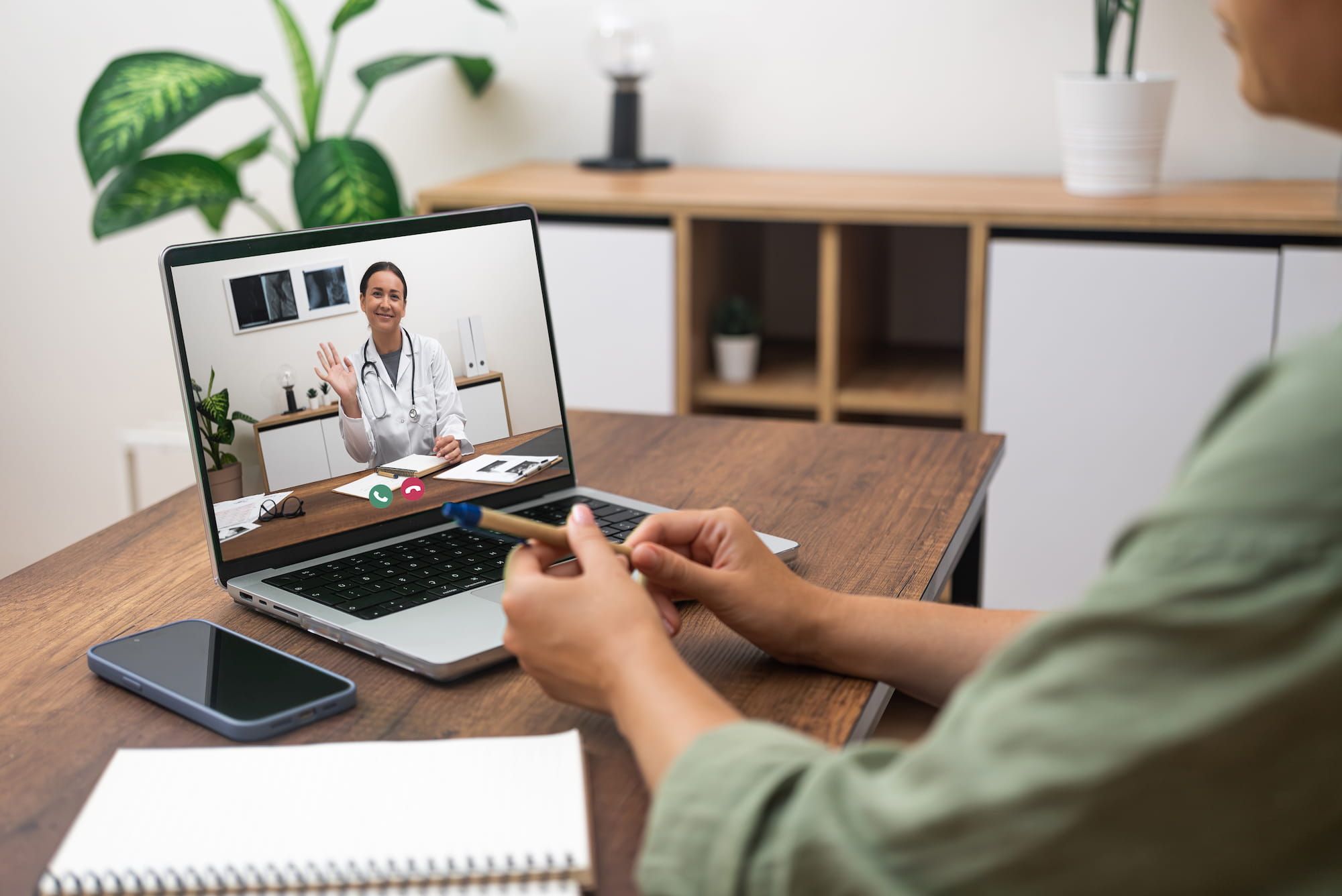
Teledentistry expansion. Roughly 30 US states have passed teledentistry parity laws since 2020. Virtual dental consultations can now handle a meaningful portion of routine dental questions, triage urgent issues, and route patients efficiently to in-person care when needed.
Cash-pay transparency. Some dental practices are publishing cash prices directly, reducing the information asymmetry that traditionally made dental shopping impossible.
Membership-based alternatives. Services like DentalPlanRx are combining virtual care, second opinions, and vetted partner clinics with transparent pricing into a single membership, designed specifically for the uninsured.
None of these fixes the fundamental problem that dental care in America is expensive. But they narrow the gap between "can afford dental care easily" and "can't afford it at all" that has defined the uninsured experience for decades.
Bottom line
If you're part of the 77 million, you're not alone, and the standard answers — traditional insurance, discount cards, just "saving up" — don't actually work for most people. The realistic path forward is usually a combination: virtual consultations to avoid unnecessary in-person visits, transparent cash-pay pricing at clinics that don't upsell, and targeted use of community resources or dental tourism for major work.
DentalPlanRx was built for this population specifically. Join the waitlist to be first when we launch in your state.